
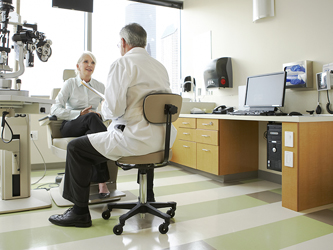
WHAT IS AREDS 2?
The National Eye Institute’s AREDS 2 study was a 5 year nationwide follow up to the original AREDS study. The AREDS 2 study results were announced on May 5, 2013 at ARVO and published online by the Journal of the American Medical Association (JAMA). The primary goal of the AREDS 2 study was to reduce the risk for progression to advanced age-related macular degeneration (AMD). Completed in 2013, the AREDS 2 study encompassed 4203 participants and 82 clinics throughout the United States.* The new AREDS 2 findings suggest revising the AREDS formula to omit beta-carotene and add 10 mg of lutein and 2 mg of zeaxanthin.
Viteyes AREDS 2 supplements are based on the clinically effective formula tested by the National Eye Institute (“NEI”) in its 2013 AREDS 2 study. Viteyes Classic AREDS 2 formula and Viteyes AREDS 2 Advanced formula are found in only 2 easy-to-swallow pills daily. Viteyes AREDS 2 Plus Omega-3 is also based on the AREDS 2 study plus it includes 1000 mg of omega-3 in 3 daily softgels. Viteyes AREDS 2 Powder is based on the AREDS 2 study and also contains a daily multivitamin in only 1 scoop daily.
Some highlights from the study:
Due to the increased risk of lung cancer for smokers and former smokers, the AREDS 2 formula study analyzed the AREDS formula with and without beta-carotene. Taking beta-carotene out of the formula had no overall effect on the outcome of this study. The addition of lutein and zeaxanthin also had no overall effect when keeping beta-carotene. However, NEI’s Emily Chew, M.D. noted:
“Because carotenoids can compete with each other for absorption in the body, beta-carotene may have masked the effect of the lutein and zeaxanthin in the overall analysis.”
When looking at a subset of AREDS 2 participants that took AREDS with lutein and zeaxanthin and no beta-carotene, their risk of developing advanced stages of AMD over 5 years was reduced by 18 percent, versus those in AREDS 2 who took AREDS. In addition, those AREDS 2 participants who began the study with a low intake of lutein and zeaxanthin in their diet and were supplemented with lutein and zeaxanthin during the study were:
“25 percent less likely to develop advanced AMD compared with participants with similar dietary intake who did not take lutein and zeaxanthin,” according to Dr. Chew.
The AREDS 2 study also tested lowering the dose of zinc:
“In the original AREDS study, the dose for zinc was set high (80 mg) because a previous small trial had found that high-dose zinc was beneficial for AMD. However, some nutritionists were concerned the dose was too high.”**
The AREDS 2 study tested zinc at 80 mg and 25 mg. The results showed that when lowering zinc there was:
“No statistically significant effect on progression to advanced AMD.”*
The AREDS 2 study has changed the outlook on AMD and lowering the risk of progression to late stages of age-related macular degeneration (AMD).
*AREDS 2 Research Group. “Lutein/Zeaxanthin and Omega-3 Fatty Acids for Age-Related Macular Degeneration. The Age-Related Eye Disease Study 2 (AREDS2) Controlled Randomized Clinical Trial.” JAMA, published online May 5, 2013.
**NEI website 2018 https://nei.nih.gov/areds2/
Follow the links below for more detailed information from the NEI about AREDS2:
NEI AREDS 2 Study Results Main Page ››
NEI AREDS 2 Study Press Release ››
